

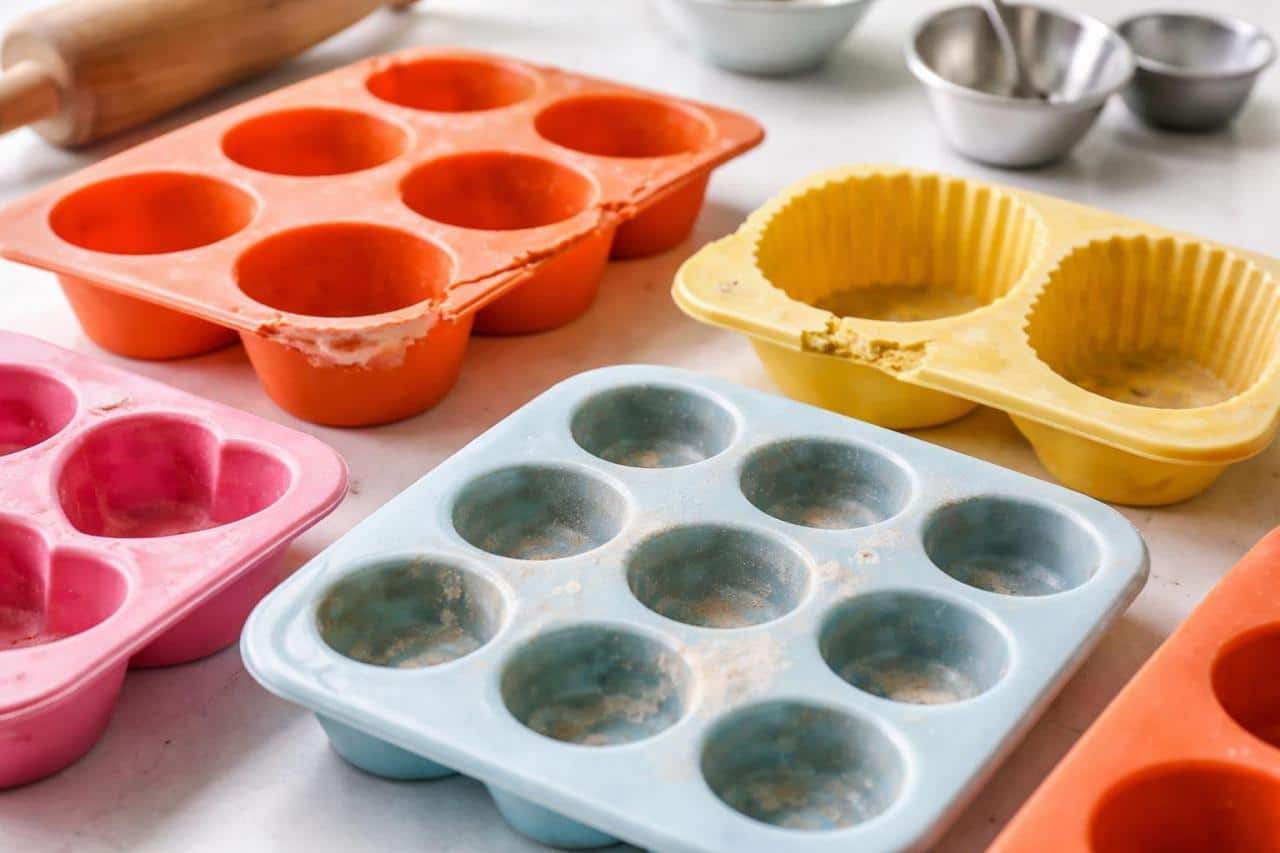
You work with silicone molds to make parts, candles, or soaps and you need consistent results. Silicone can tear, trap bubbles, cure unevenly, or stick to masters, but most problems have simple fixes that save time and cost. Addressing material choice, mixing technique, and mold design early prevents the biggest failures before production begins.
You will find solutions that fit small craft projects and larger manufacturing runs, including when to use food- or medical-grade platinum silicone and when to change mold geometry for easier release. If you cast candles, consider heat resistance and release features like those used in quality votive and tea light molds, and for soap producers choose molds that hold fine detail without tearing.
Key Takeaways
- Pick the right silicone and prep steps to avoid curing or release issues.
- Design and tooling choices cut defects and speed up production.
- Simple quality checks answer common questions and reduce rework.
Custom Silicone Mold Manufacturing
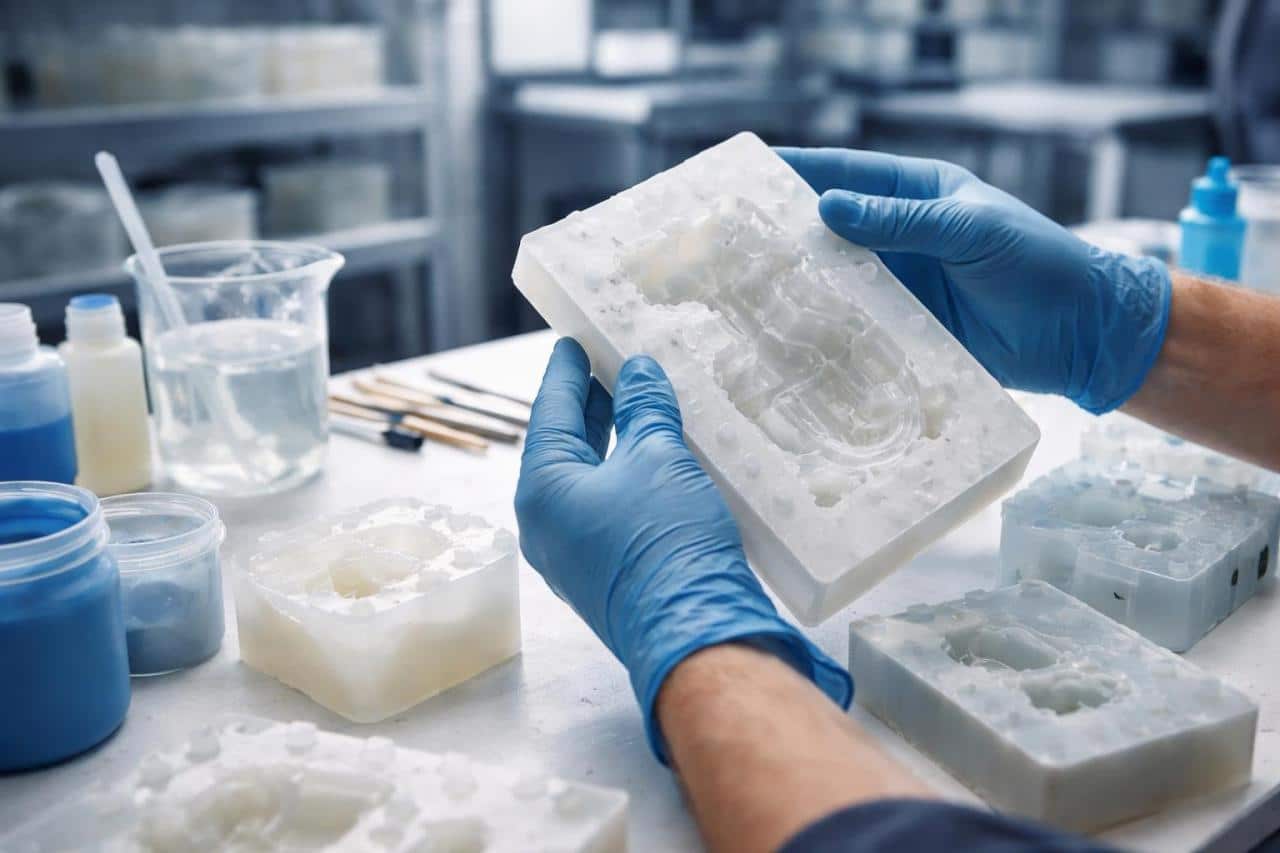
Custom silicone mold manufacturing starts with design and material choice. Manufacturers pick between platinum-cure silicone and tin-cure silicone based on part use, and choose condensation-cure or other systems for specific jobs. They weigh parts on a digital scale to keep mix ratios precise.
Mold making often uses a mold box and a block mold setup for simple shapes. For complex forms, low-viscosity silicone or liquid silicone rubber helps fill fine details. Small-batch production commonly uses these methods to balance cost and speed.
Quality silicone and correct curing matter for mold life. Sulfur-based clays can stop platinum cures, so technicians avoid them when making silicone rubber molds. They also follow strict mixing and degassing steps to reduce bubbles and defects.
Service providers sometimes offer turnkey custom work from prototype to finished mold. Clients send 3D files or masters, and the shop builds molds suited to silicone molding needs. Those needing production-ready tooling can request custom silicone molds to match tolerances and cycle requirements.
Testing and inspection occur before delivery. Small sections of the mold get trial casts to check surface finish and fit. This step reduces rejects and speeds up integration into manufacturing lines.
Frequently Asked Questions
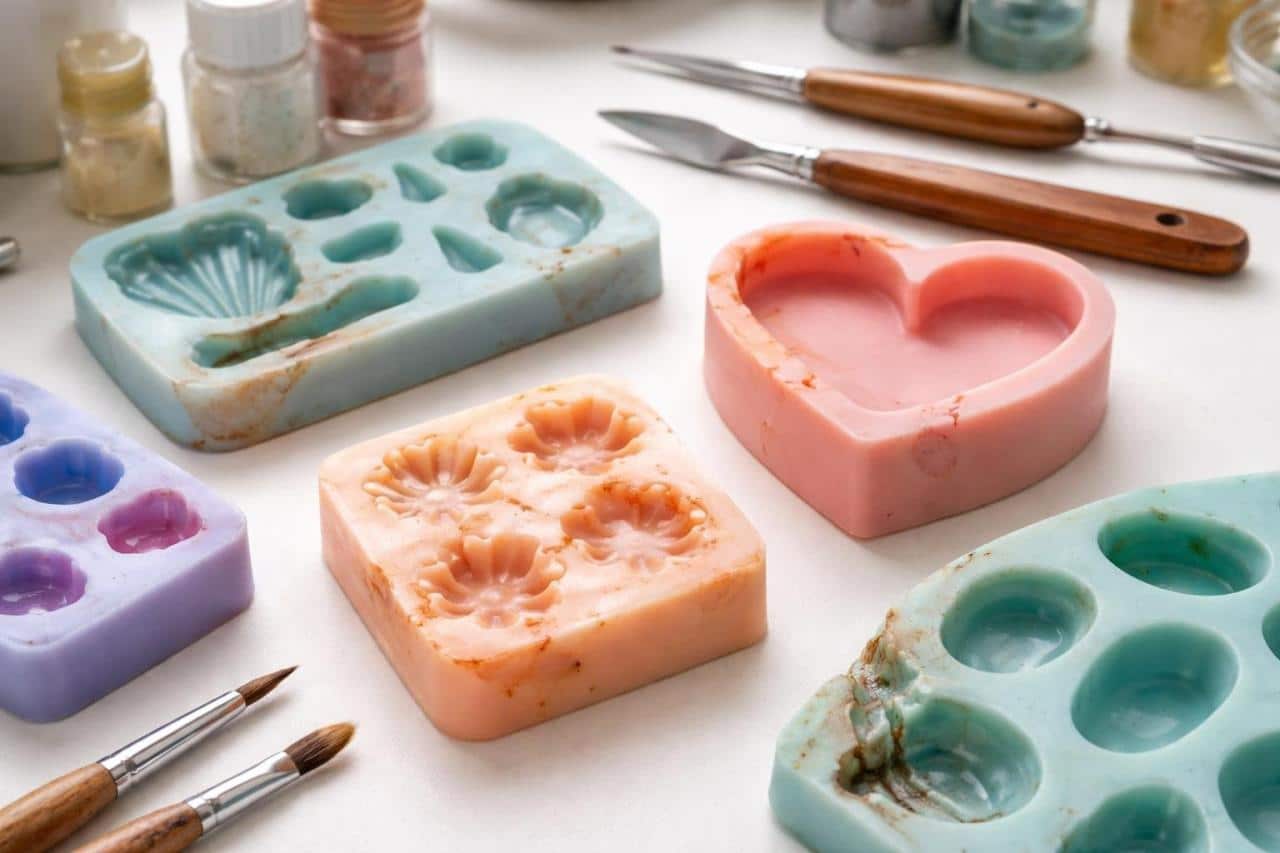
This section answers common, specific problems with silicone molds. It covers tearing during demolding, air bubbles, resin cure issues, extending mold life, safe cleaning, and causes of discoloration.
How can I prevent my silicone molds from tearing during demolding?
Use the correct silicone hardness and high tear strength for the part. Softer silicones (lower Shore A) flex more but tear easier; choose a silicone with higher tear strength or higher Shore hardness for thin sections or sharp undercuts.
Apply a thin, even mold release agent before casting to reduce sticking. Avoid heavy coats of petroleum jelly or silicone oil that can affect surface finish; use a release made for silicone molds and follow the maker’s directions.
Demold only after the resin or rubber reaches full strength. Demolding too soon stresses the part and the mold. If the piece stays tacky, wait longer or verify curing temperatures and catalyst ratio.
What steps can I take to avoid bubbles forming in my casts?
Mix resin slowly and scrape the sides of the cup to cut down on trapped air. Use proper catalyst ratio and mixing technique to prevent foaming caused by excess agitation.
Use vacuum degassing or a pressure pot for bubble-prone resins and deep cavities. Vacuum chambers remove air from the mixed resin; pressure pots compress remaining bubbles against the surface.
Design the mold with vents and fill ports so trapped air can escape during pour. Also consider using resin formulated for low bubble formation or pouring in thin layers to let bubbles rise and pop.
Why is my resin not curing properly inside the silicone mold?
Check the catalyst ratio and measure both parts accurately. Incorrect catalyst mix is the most common cause of incomplete curing and soft or tacky parts.
Watch curing temperatures and the ambient environment. Low temperatures slow or stop curing; high temperatures can shorten working time and cause defects. Verify that the mold silicone is compatible with the resin to avoid cure inhibition.
Contaminants on the mold surface, such as oil or certain release agents, can cause cure inhibition. Avoid petroleum jelly or unapproved silicone oils that may transfer to the cast and prevent proper silicone curing.
Is there a way to extend the lifespan of my silicone molds?
Store molds flat and away from direct sunlight and heat to prevent premature aging and hardening. Keep molds in a cool, dark place to reduce breakdown of silicone.
Limit exposure to aggressive resins and solvents. Use release agent application consistently to reduce abrasion and tearing during demolding. Consider molds with higher Shore hardness for repeated use and parts that require sharp detail.
Rotate molds and avoid stretching thin areas repeatedly. Regularly inspect for surface imperfections or small tears and repair or retire a mold before it ruins parts.
How can I clean silicone molds without damaging them?
Rinse molds with warm water and a mild dish soap; use a soft brush for crevices. Avoid harsh solvents, fine abrasives, or strong alkaline cleaners that can attack silicone.
For stubborn residue, soak molds briefly in warm soapy water then air dry. If a release agent built up on the surface, remove it with a soft cloth and approved cleaner rather than scraping.
Dry molds fully before storage to prevent mildew. Test any new cleaner on an inconspicuous area to ensure it won’t affect silicone hardness or surface feel.
What can cause discoloration in silicone molds and how can I prevent it?
UV light, heat, and some pigments in resins can cause yellowing or dark spots over time. Store molds away from sunlight and high temperatures to slow discoloration.
Certain resin additives, fillers, and metal powders can stain silicone. Use barrier sprays or a thin release layer when casting strongly pigmented or reactive materials.
Aging and contamination from silicone oil or other residues can change color. Clean molds regularly and avoid petroleum-based products that may leave deposits and alter the silicone surface.
Resin molds for frequent casting can benefit from more durable silicone formulations; consider professional-grade options for longer life and less color change when producing many parts. For examples of ready-made options, see resin mold products.